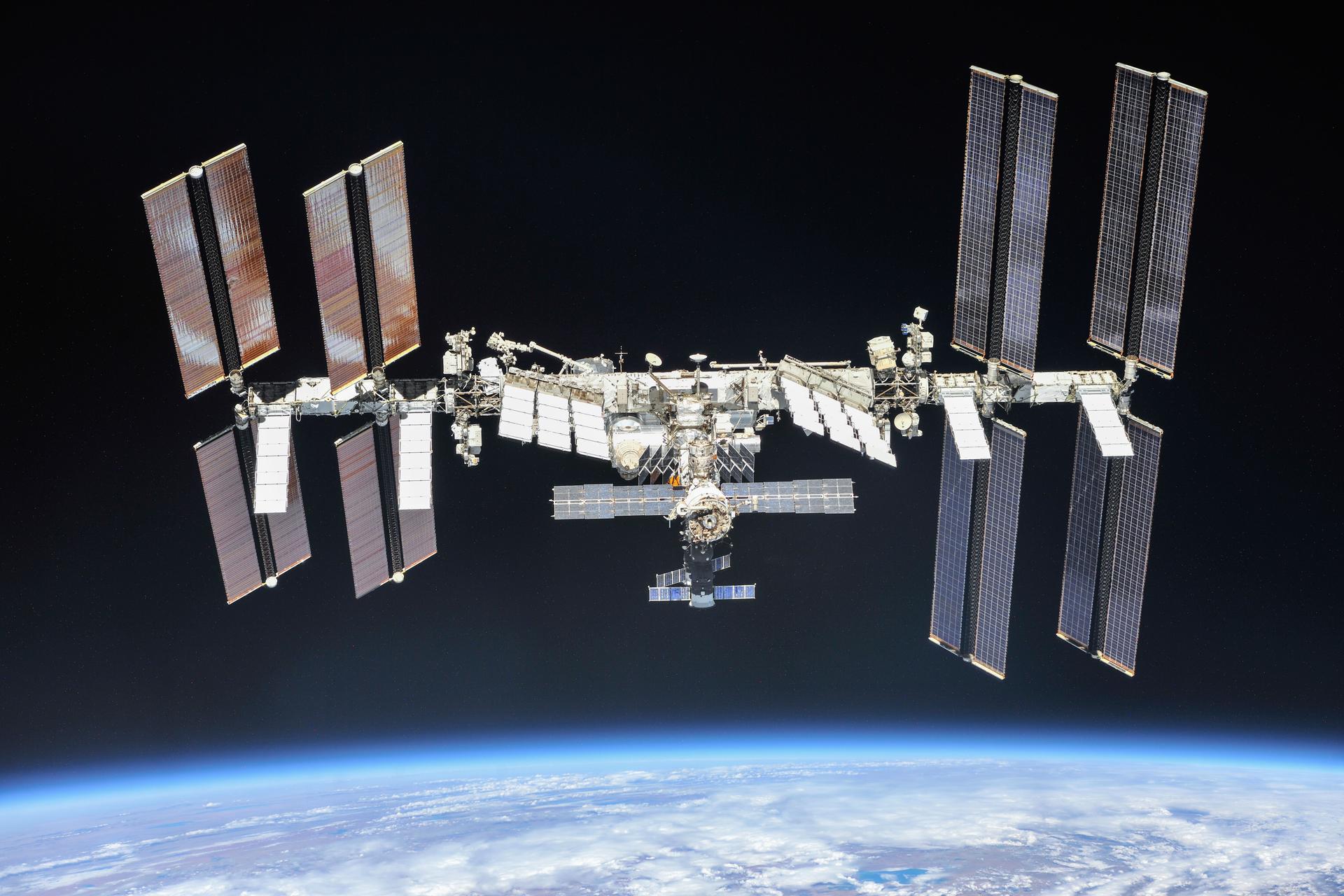
The International Space Station (ISS) is a testament to human ingenuity and the spirit of exploration. Hovering at an altitude of approximately 400 kilometers above Earth, the ISS is a unique, orbiting laboratory that has been continuously inhabited since the year 2000. Its construction required the collaborative efforts of multiple nations, each contributing cutting-edge technology and expertise. This remarkable spacecraft orbits the Earth at a breakneck speed of 28,000 kilometers per hour, completing a full revolution around our planet approximately every 90 minutes. From its vantage point, astronauts aboard the ISS enjoy breathtaking views of Earth, from sunrises and sunsets to awe-inspiring thunderstorms lighting up the night sky. Yet, beyond its aesthetic marvels, the ISS is an unparalleled platform for conducting research and pushing the boundaries of human knowledge.
Key Features of the ISS
The ISS is an architectural wonder in space. It consists of interconnected modules serving a variety of functions, including living quarters, laboratories, and storage areas. The station is equipped with massive solar arrays that generate electricity to power its systems. Inside, it is a maze of wires, computers, and equipment, all meticulously designed to function in a microgravity environment. The modules, built in different parts of the world, were launched into orbit and assembled in space, piece by piece. This extraordinary achievement highlights the collaboration between space agencies such as NASA, Roscosmos, ESA, JAXA, and CSA. Every feature of the ISS is designed with dual purposes in mind: supporting the astronauts' daily lives and enabling cutting-edge scientific research.
Scientific Research on the ISS

Scientific research aboard the ISS spans a wide range of disciplines. In the realm of biology, experiments examine how microgravity affects cellular growth, gene expression, and the behavior of microorganisms. These studies have far-reaching implications, including the development of new medical treatments and insights into the biological adaptations of life beyond Earth. In physics, the absence of gravity allows scientists to explore fluid dynamics, combustion, and materials science in ways that are not possible on Earth. The station also hosts astronomical instruments that peer into the cosmos, capturing data about the origins of the universe. This wealth of scientific research is not only advancing human understanding but also paving the way for future deep-space missions.
International Collaboration

The International Space Station is a shining example of what humanity can achieve through collaboration. It is the product of a partnership between five major space agencies: NASA (United States), Roscosmos (Russia), ESA (Europe), JAXA (Japan), and CSA (Canada). These agencies work together to manage and operate the station, share resources, and conduct joint experiments. The ISS represents a collective investment in science and technology for the benefit of all humankind. It serves as a platform for fostering international cooperation, transcending political and cultural boundaries. Astronauts from various countries live and work together aboard the station, forming a unique microcosm of Earthly cooperation and harmony.
Future of the ISS
As the ISS approaches its third decade of service, plans are underway to ensure its legacy endures. Discussions about its eventual decommissioning are paralleled by initiatives to expand its capabilities and use. The ISS continues to be a proving ground for technologies that will enable long-duration missions to the Moon and Mars. Meanwhile, the emergence of commercial space enterprises is reshaping the station's role. Private companies are increasingly involved in conducting research aboard the ISS and even planning future orbital habitats. The station's enduring presence symbolizes humanity's commitment to exploring the cosmos and understanding our place in the universe.